Are Ketamine Infusions Dangerous?
If you are living with chronic pain, depression, or mood symptoms that have not improved with traditional treatments, you may be searching for other options. Diet changes, physical therapy, counseling, and medication can help some people, but not everyone finds relief. Ketamine infusion therapy has become an alternative for individuals who continue to struggle, but many patients understandably ask the same question first. Are ketamine infusions dangerous?
What Is Ketamine?
Ketamine is a medication that was developed in the 1960s and originally used as an anesthetic. It gained widespread use during the Vietnam War, where it was safely administered to wounded soldiers due to its reliability and strong safety profile. In 1970, ketamine received approval from the U.S. Food and Drug Administration and has since been used extensively in both human and veterinary medicine.
Over time, clinicians observed that ketamine also had powerful effects on mood and pain, particularly in patients who did not respond to standard treatments.
How Are Ketamine Infusions Administered?
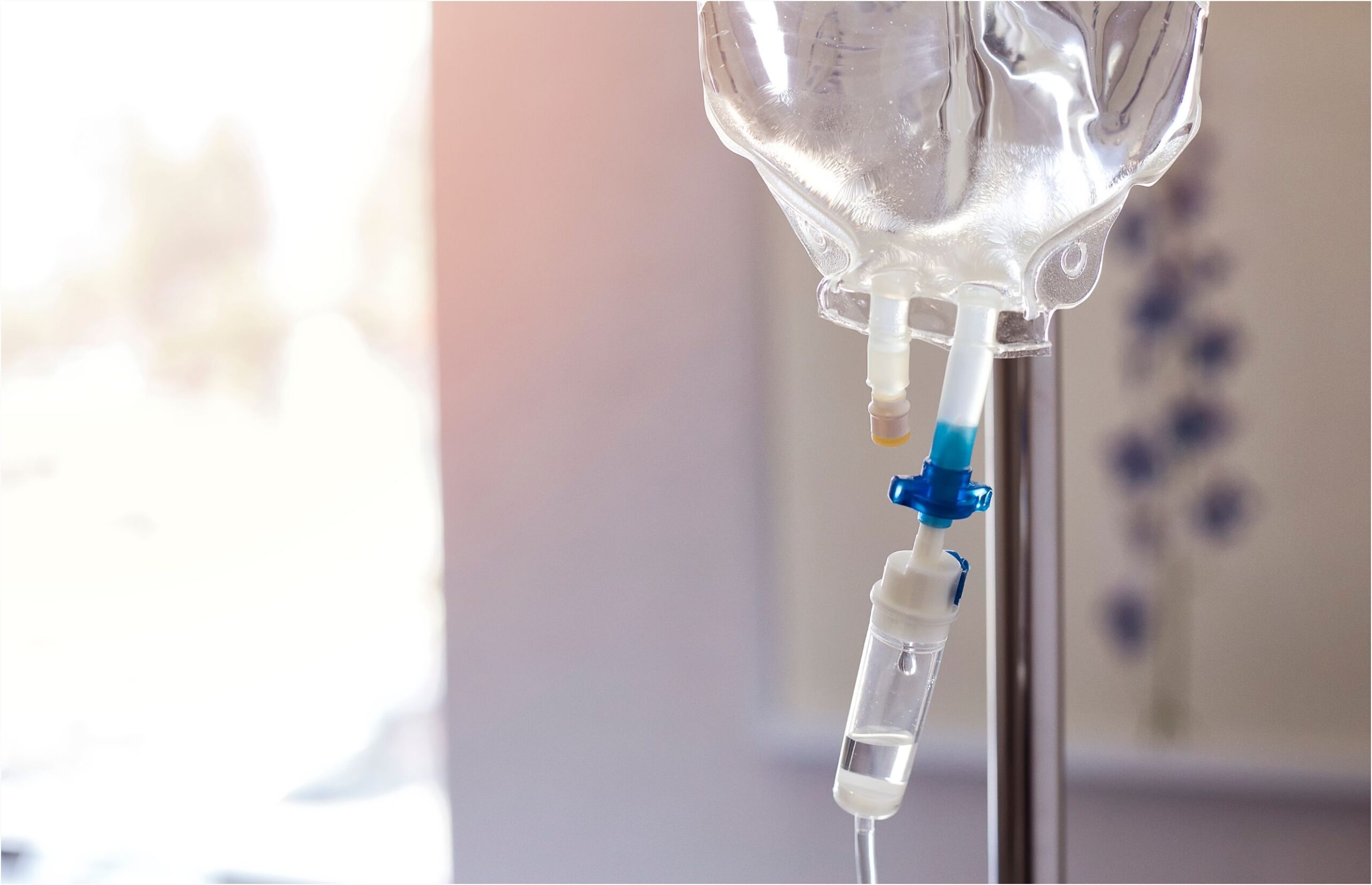
Ketamine is most commonly delivered through intravenous infusion therapy. During treatment, a small IV is placed in the arm or hand, and ketamine is administered in carefully calculated doses using a medical infusion pump.
When ketamine is given at low doses, under medical supervision, and with continuous monitoring, it is considered very safe. Patients are monitored throughout treatment by trained medical professionals who can respond immediately if side effects occur.
What Conditions Can Ketamine Infusions Treat?
Ketamine infusions are used to treat a wide range of mental health and pain conditions, especially when other treatments have failed.
Conditions Commonly Treated With Ketamine Infusions
- Major depressive disorder
- Treatment-resistant depression
- Generalized anxiety disorder
- Panic attacks
- Post-traumatic stress disorder (PTSD)
- Postpartum depression (PPD)
- Bipolar disorder
- Obsessive-compulsive disorder
- Suicidal ideation
- Chronic pain conditions
- Migraines and chronic headaches
- Fibromyalgia
- Neuropathic pain
- Chronic back, neck, and pelvic pain
- Complex regional pain syndrome
Treatment recommendations are always individualized based on medical history, symptoms, and safety considerations.
Are Ketamine Infusions Safe?
Ketamine infusions are considered safe when administered in a controlled medical environment by licensed providers. Ketamine has been studied for decades due to its long-standing use in anesthesia, and its safety profile is well understood at medical doses.
Low-dose ketamine infusions may cause temporary side effects such as nausea, dizziness, or fatigue. These effects typically resolve within a few hours after treatment. Serious adverse effects are rare when ketamine is administered appropriately and patients are properly screened.
Ongoing research continues to evaluate the long-term effects of repeated low-dose ketamine treatment. Current evidence and clinical experience suggest that ketamine can be both safe and life-changing for many patients when used responsibly.
What Does the Research Say?
Medical experts and academic institutions continue to study ketamine’s role in treating depression and chronic pain. Physicians at leading institutions such as Yale Medicine have highlighted ketamine’s rapid antidepressant effects, particularly for treatment-resistant depression.
Clinical studies have shown positive outcomes for patients receiving ketamine, with many experiencing significant symptom relief. While no medication is without risk, the overall body of evidence supports ketamine’s safety when used under medical supervision.
Possible Side Effects of Ketamine Infusions
As with any medication, ketamine can cause side effects. Most are mild and short-lived, especially at low infusion doses.
Possible side effects include:
- Nausea or vomiting
- Temporary dissociation
- Increased heart rate or blood pressure
- Dizziness or headache
- Visual changes
- Fatigue
Rare side effects may include allergic reactions or cardiovascular changes, which is why monitoring during treatment is essential.
Safety Monitoring at Northwest Ketamine Clinics
At Northwest Ketamine Clinics, patient safety is the highest priority. Every patient is carefully screened before treatment begins. During each infusion, patients are continuously monitored by experienced medical staff throughout the session.
To date, Northwest Ketamine Clinics has safely provided over 45,000 ketamine infusions without major adverse events. This experience allows the care team to tailor treatment plans while maintaining strict safety standards.
Is Ketamine Right for You?
Ketamine infusion therapy is not appropriate for everyone. Factors such as medical history, current medications, pregnancy status, and certain health conditions must be considered. A consultation with an experienced provider helps determine whether ketamine is a safe and appropriate option.
Before starting ketamine treatment, patients are encouraged to ask questions and fully understand the potential benefits and risks.
Final Thoughts
Ketamine is a well-studied medication with a long history of safe medical use. When administered intravenously in a clinical setting by trained professionals, ketamine infusions are considered both safe and effective for many individuals struggling with depression, chronic pain, and other conditions.
Like all medical treatments, ketamine carries potential risks, but for many patients, the benefits far outweigh them. If you are considering ketamine infusion therapy, the team at Northwest Ketamine Clinics is always available to provide education, guidance, and compassionate care.
Serving Seattle, Bellevue, and Tacoma, we provide immediate availability, the highest outcomes, and a premium-level experience for every patient we serve.